Home › Make the home safe
Make the home safe for a senior: where to start
Wet bathroom floors and stairs are two of the riskiest spots in a home for a fall. A handful of changes can lower that risk a lot, and many of them don't cost much.
Pick the area you're worried about below. Each guide walks you through the choices, the costs, and local help.
Last reviewed: November 15, 2026
Quick answers:
- Where should I start making my parent's home safer? Falls are the leading cause of injury for adults 65 and older (CDC). Wet floors and steps are hard on balance, so the bathroom and stairs are good places to start. Read more: Where to start ›
- Which home safety changes for a senior should I do first? Start with the biggest safety for the least money: grab bars, a walk-in shower, and a non-slip floor. Read more: Where to start ›
- What helps a senior get up stairs or into the house? Stair lifts, home elevators, and ramps. Read more: Choose the area you need ›
- Does Medicare pay for home safety changes? Usually not, but Florida Medicaid long-term care and the VA can, and free or low-cost help is available through the Elder Helpline whether or not you're on Medicaid. Read more: Who pays, and help if you're not on Medicaid ›
Common questions on this page
Where to start
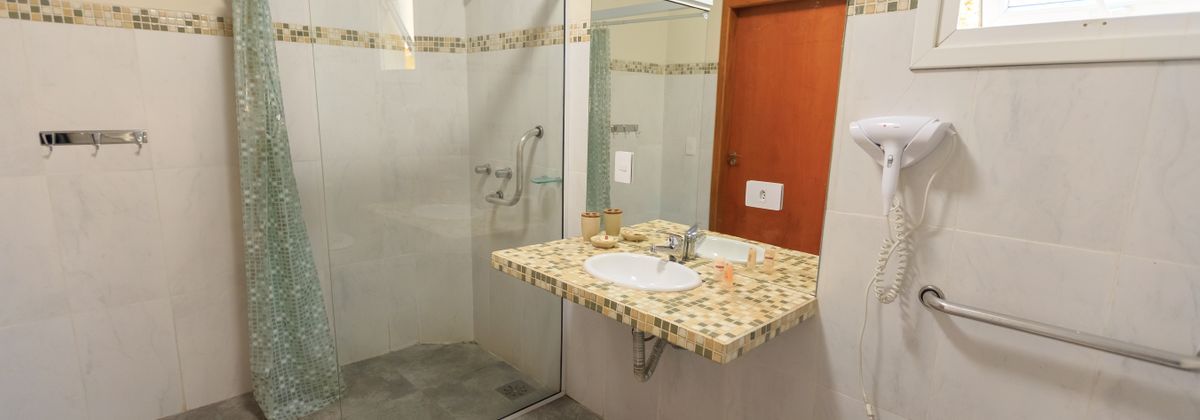
Work from the biggest risk down, starting with the bathroom. Wet floors, hard surfaces, and stepping over a tub wall all add to the risk there.
A few grab bars, a non-slip floor, and a seated shower can make a big difference, often for a few hundred dollars.
Next come the stairs and the entry. A stair lift, an elevator, or a ramp keeps the whole home within reach.
You don't have to do it all at once. Start with the spot that worries you most, like the place where you've seen your parent grab a towel bar to steady themselves.
Choose the area you need
Bathroom safety
Grab bars, non-slip floors, shower seats, comfort-height toilets.
Walk-in tubs & showers
Costs, coverage, and which is the better fit for most people.
Stair lifts & home elevators
Getting between floors: costs, options, and who pays.
Wheelchair ramps
Types, cost, the length you need, and free ramp programs.
Mobility & medical equipment
Wheelchairs, walkers, adjustable beds, and what Medicare pays.
Who pays, and help if you're not on Medicaid
Original Medicare treats these as home improvements, so it usually won't pay. You do have other options.
Florida Medicaid long-term care and VA grants can cover changes like ramps and roll-in showers for those who qualify.
You don't have to be on Medicaid to get help. The Elder Helpline connects anyone 60 and older to Older Americans Act services, often free or on a sliding fee, with no income test.
For the full picture, see how to pay for care.
Common questions
- What's the single most important home-safety change for a senior?
- Start in the bathroom, where most home falls happen. Grab bars mounted into the wall studs, a non-slip floor, and a seated shower remove much of the risk for a few hundred dollars.
- Does Medicare pay for home safety changes?
- Usually no. Medicare treats grab bars, ramps, walk-in tubs, and stair lifts as home improvements, not medical equipment.
Florida Medicaid long-term care and the VA can help for those who qualify, and the Elder Helpline can point you to free or low-cost programs. - Do I have to make every change at once?
- No. Start with the one area that worries you most, usually the bathroom, then add stairs, entry, and mobility help over time as needed and as budget allows.
Sources
- CDC -- Older Adult Falls Data. https://www.cdc.gov/falls/data-research/index.html
- Administration for Community Living -- Older Americans Act services (no means test). https://acl.gov/about-acl/authorizing-statutes/older-americans-act
- Detailed sources are on each linked guide (bathroom safety, walk-in tubs, stair lifts, ramps).