Home › Make the home safe › Walk-in tubs
Walk-in tubs for seniors on the Nature Coast: cost, coverage, and the walk-in shower alternative
A walk-in tub can make bathing safer, but it's a big purchase with real trade-offs.
For many people, replacing the old tub with a walk-in shower is the better choice, and it usually costs less.
Here's what each one costs, why Medicare usually won't pay, what help you can get, and who installs them in Citrus, Hernando, and Pasco County.
Last reviewed: November 15, 2026
In a hurry? Skip to the local list ↓
Quick answers:
- How much does a walk-in tub cost installed? Most run about $3,000 to $17,000 installed, and two-person or luxury models can top $20,000. A basic soaking tub is often $3,000–$10,000; add water jets and it's usually $6,000–$13,000 (National Council on Aging). Read more: What does a walk-in tub cost? ›
- Does Medicare pay for a walk-in tub? No. Original Medicare doesn't count it as medical equipment because anyone can use one. Read more: Does Medicare pay for a walk-in tub? ›
- Does insurance ever cover a walk-in tub? Sometimes. Some Medicare Advantage plans have a small home-safety benefit. Medicaid sometimes helps through a home-care waiver. Veterans may get a Department of Veterans Affairs (VA) grant of up to $6,800. Read more: What help is there to pay for one? ›
- How long does a walk-in tub take to fill and drain? 6 to 15 minutes, and you sit in the tub while it fills and drains. That's the downside people complain about most, and it can get cold. Read more: What are the real downsides of a walk-in tub? ›
- Is a walk-in shower better than a walk-in tub? For many people, the better choice is to replace the tub with a walk-in shower ($4,000–$16,000). It usually costs less and is easier to get into, especially for wheelchair or walker users. See our bathroom safety page. Read more: Walk-in tub or walk-in shower -- which is better for a senior? ›
Common questions
- Is a walk-in shower better than a walk-in tub?
- For most seniors, yes. A walk-in shower usually costs less ($4,000–$16,000), is easier to step into, works better with a wheelchair or walker, and has no fill-or-drain wait.
A walk-in tub is the better pick mainly if you want to soak and use warm-water jets for sore joints. - Are walk-in tubs covered by insurance?
- Original Medicare does not. Some Medicare Advantage plans, Medicaid waivers, and VA grants may help when a doctor documents a medical need.
Private long-term-care insurance sometimes helps too. Always confirm with the plan first. - Does Medicare insurance pay for walk-in tubs?
- Original Medicare insurance does not cover walk-in tubs. Medicare pays only for durable medical equipment, meaning items like walkers and wheelchairs that a healthy person wouldn't use, and it treats a walk-in tub as a home improvement.
Some Medicare Advantage plans have a small home-safety benefit that might apply if a doctor says you need one. Call the number on your plan card and ask before you count on it. - How long does a walk-in tub take to fill and drain?
- Usually 6 to 8 minutes to fill and up to 15 minutes to drain. Quick-drain models empty in about 2 minutes.
You stay in the tub the whole time. - How long do walk-in tubs last?
- About 15 to 20 years with regular maintenance, including cleaning the door seal.
- Will a walk-in tub raise my home's value?
- Not reliably. It can appeal to buyers in a senior-heavy area and turn off younger buyers elsewhere.
So if you buy one, buy it for safety and comfort, not resale.
What does a walk-in tub cost?
Most walk-in tubs cost about $3,000 to $17,000 installed, and can climb past $20,000 for two-person or luxury models.
The price depends mostly on the features you add and the work your bathroom needs. Here are typical installed ranges by type, from the National Council on Aging (a nonprofit senior-advocacy group):
| Type of walk-in tub | Typical installed cost |
|---|---|
| Basic soaking tub | $3,000 – $10,000 |
| With water or air jets (hydrotherapy) | $6,000 – $13,000 |
| Luxury or two-person | $9,000 – $17,000+ |
Some sources put installed prices higher. ConsumerAffairs says hydrotherapy and air-bath models (tubs with water jets or air jets) run about $10,000 to $15,000.
Luxury models run $15,000 to $30,000. The tub alone, before installation, usually costs $2,000 to $8,000 (Forbes Health).
A walk-in shower, which replaces the tub entirely, typically runs $4,000 to $16,000 installed (ConsumerAffairs). It often costs less than a tub once you add the water-heater and plumbing work a tub can require.
What drives the price up
The tub is only part of the bill. The extras that raise it are water or air jets, a heated seat, a quick-drain system, and a wheelchair-accessible or two-person size.
The install adds more. Because most walk-in tubs hold more water than a standard tub, many homes need a bigger or tankless water heater ($1,400–$2,000+).
Older bathrooms may also need plumbing or electrical work, new tile or flooring, or a widened doorway.
To know the price for your bathroom, get two or three written quotes.
Does Medicare pay for a walk-in tub?
No. Original Medicare (Parts A and B) does not pay for a walk-in tub.
Medicare only covers "durable medical equipment." That means medically necessary items like walkers and wheelchairs, which a healthy person wouldn't use.
Anyone can use a walk-in tub, so Medicare treats it as a home improvement, not medical equipment, and doesn't cover it.
Medicare won't pay for a walk-in shower either, for the same reason.
Medicare Advantage (a private plan that replaces Original Medicare) is the exception to watch. Some Advantage plans have a small home-safety benefit.
It might go toward a tub if your doctor says you need one. It isn't guaranteed, and the amount varies from plan to plan.
Call the number on your plan card and ask before you count on it.
What help is there to pay for one?
Medicare usually won't, but several other sources might. Ask about these:
Veterans (VA)
The VA's HISA grant (Home Improvements and Structural Alterations) can help pay for a medically needed bathroom change, a walk-in tub or a walk-in shower, when a VA doctor prescribes it. How much depends on the veteran's disability:
- Up to $6,800 if the change is for a service-connected disability, or if the veteran has a service-connected disability rated at least 50%.
- Up to $2,000 for other veterans who qualify.
One catch: the grant generally does not cover jetted or whirlpool tubs. So a walk-in shower, or a plain non-jetted safety tub, is usually the easier fit.
Medicaid
Florida Medicaid may help when a walk-in tub is medically necessary. It usually comes through a home and community-based services waiver, a Medicaid program that helps people stay out of nursing homes.
It needs a doctor's or occupational therapist's note, and the rules vary. This can apply to a walk-in shower as well as a tub.
Start with the Florida Elder Helpline at 1-800-96-ELDER (1-800-963-5337), or call your Medicaid plan.
Tax and savings accounts
If a doctor prescribes the tub, you may be able to pay with a flexible spending account or health savings account. Check with the account's administrator first.
The tub may also count as a medical expense on your federal taxes.
The Internal Revenue Service (IRS) says changes made to a home for a disability, such as bathroom changes, usually don't raise the home's value. So the reasonable cost can often be counted in full.
But you can deduct only the part of your total medical costs above 7.5% of your adjusted gross income, a figure on your tax return.
You also have to itemize, which means listing your deductions instead of taking the standard deduction.
Whether that helps depends on your household, so ask a tax preparer.
Not on Medicaid? The Elder Helpline connects anyone 60 and older to Older Americans Act help, often free or on a sliding fee.
The VA and local nonprofits help too. See how to pay for care.
What are the real downsides of a walk-in tub?
Plenty of pages selling tubs skip this part. Here are the honest drawbacks, so no one is surprised:
- You sit through the fill and drain. You have to be inside with the door closed before the water starts, and you can't open the door until it's fully drained. A standard tub takes 6 to 8 minutes to fill and up to 15 minutes to drain. Quick-drain models can empty in about 2 minutes.
- It can get cold. Sitting wet while the water fills or drains is chilly. A heated seat helps, but it's the most common complaint.
- It uses more water and may need a bigger water heater.
- Installation can be involved and take one to three days, especially in older homes.
- The watertight door seal needs regular cleaning and can wear or leak over time.
- It may not add home value. It can help in a senior-heavy area and turn off younger buyers elsewhere, so don't count on it raising your resale price.
- Lifespan is about 15 to 20 years with good maintenance.
A walk-in tub is a poor fit for someone who can't comfortably sit through the fill and drain, or who has memory trouble and might struggle with the door and controls. If that's a concern, ask for an occupational therapist's assessment first.
Walk-in tub or walk-in shower -- which is better for a senior?
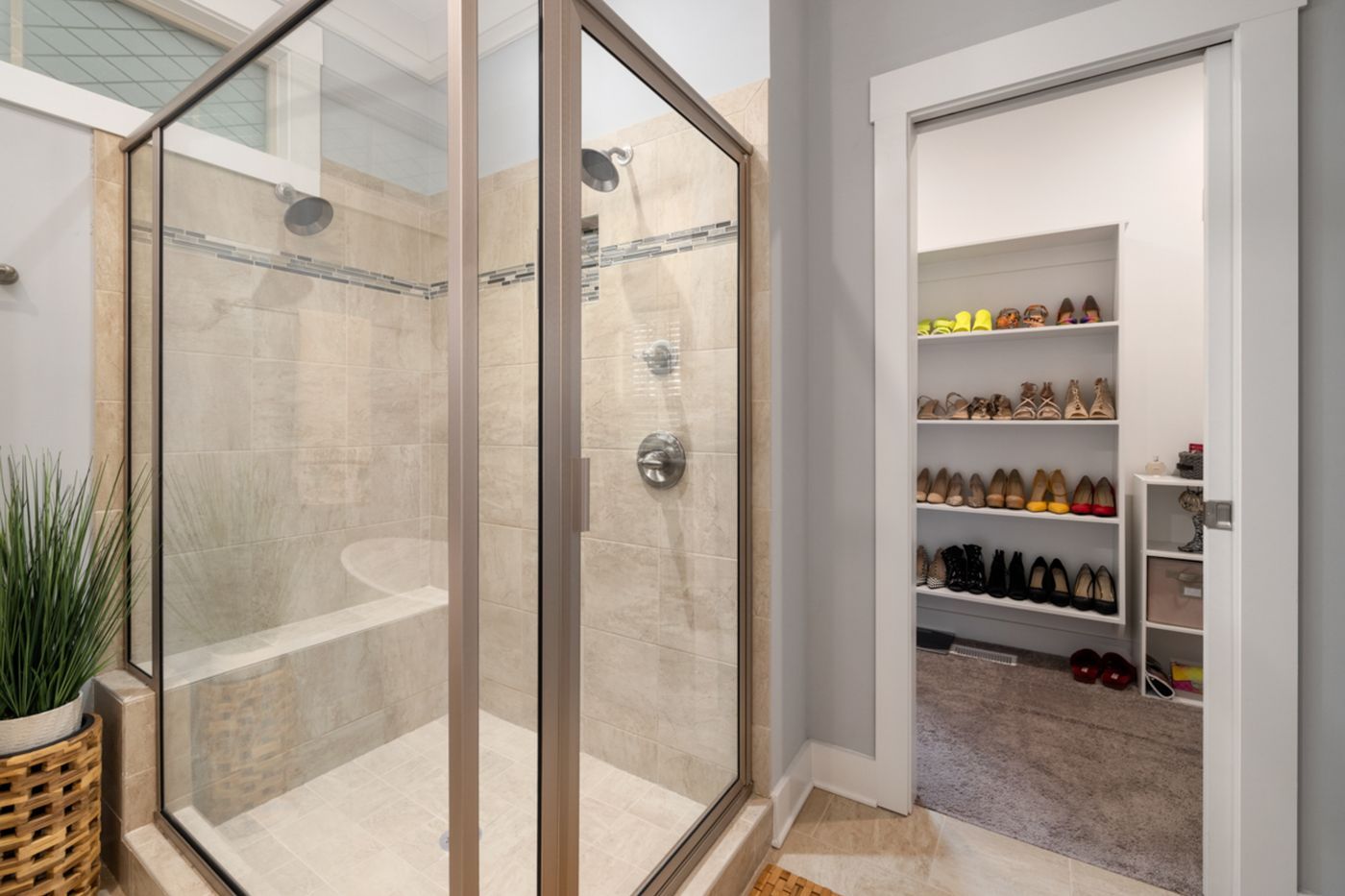
For most people, replacing the old tub with a walk-in shower is the more practical choice. It usually costs less, is easier to step into, and there's no waiting while the water fills or drains.
Choose a walk-in tub instead if seated soaking and warm-water jets for sore joints matter to you.
If a wheelchair or walker is in the picture, a walk-in or roll-in shower almost always works better.
| Walk-in tub | Walk-in shower | |
|---|---|---|
| Typical installed cost | $3,000 – $17,000+ | $4,000 – $16,000 |
| Good for | Seated soaking, joint/arthritis relief | Wheelchair/walker users, quick in-and-out |
| Getting in | Low step over a threshold, through a door | Zero or low threshold, no wall to cross |
| Wait to fill/drain | Yes (about 6–15 minutes) | None |
(Source: ConsumerAffairs.) If budget is tight, a bath lift or a tub cutout can be a lower-cost middle step. See our grab bars & bathroom safety guide.
Who installs walk-in tubs in Citrus, Hernando & Pasco?
These are real companies we confirmed from their own websites (August 2026). We list them for your convenience; this is not an endorsement.
Always check a company's Florida license, ask for references, and get a written quote before you sign.
| Company | Serves | Does |
|---|---|---|
| Modern Plumbing, Inc. Local | Citrus (Inverness, Crystal River, Lecanto, Homosassa, Beverly Hills) | Walk-in tubs, tub-to-shower, ADA bath remodels |
| C & S Contracting Local | Pasco (New Port Richey, Port Richey, county-wide) | Walk-in tubs, tub-to-shower, bath remodels |
| Five Star Bath Solutions of Spring Hill Franchise, local owner | Hernando (Spring Hill area) | Walk-in tubs & showers, safety baths |
| Top Gunn Construction Local | Hernando, Pasco & Citrus (Weeki Wachee) | Bath remodels, walk-in showers (veteran-owned) |
| Lifestyle Remodeling Regional (Tampa) | Citrus, Hernando & Pasco | Walk-in tubs, showers, conversions |
Sources
- National Council on Aging -- Does Medicare Cover Walk-In Tubs? https://www.ncoa.org/article/does-medicare-cover-walk-in-tubs/
- National Council on Aging -- How Much Do Walk-In Tubs Cost? https://www.ncoa.org/article/how-much-do-walk-in-tubs-cost/
- Forbes Health -- How Much Do Walk-In Tubs Cost? https://www.forbes.com/health/accessibility/how-much-do-walk-in-tubs-cost/
- ConsumerAffairs -- Pros and Cons of Walk-In Tubs; Walk-In Showers vs. Walk-In Tubs. https://www.consumeraffairs.com/homeowners/walk-in-tub-pros-and-cons.html
- Medicare.gov -- Durable medical equipment (DME) coverage. https://www.medicare.gov/coverage/durable-medical-equipment-dme-coverage
- VA -- Home Improvements and Structural Alterations (HISA) grant. https://www.prosthetics.va.gov/psas/HISA2.asp
- IRS -- Topic No. 502, Medical and Dental Expenses. https://www.irs.gov/taxtopics/tc502
- IRS -- Publication 502, Medical and Dental Expenses (capital expenses for home changes). https://www.irs.gov/publications/p502